

1
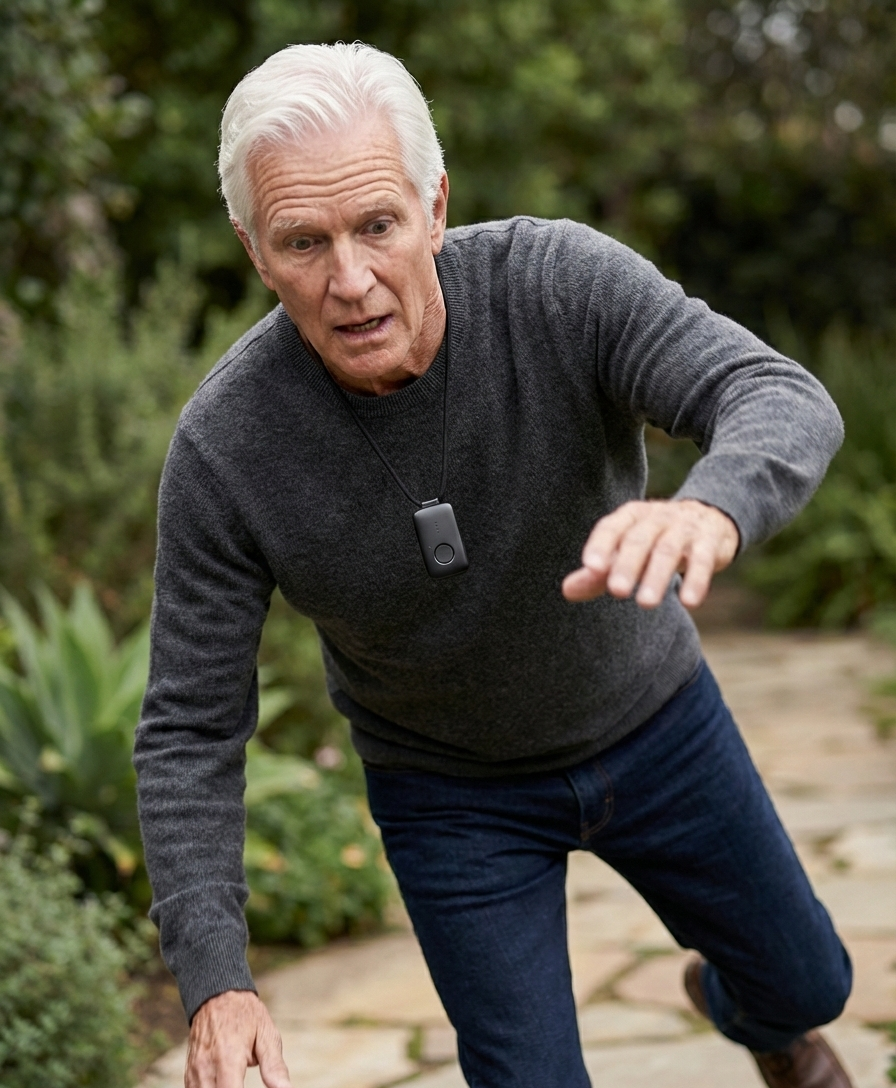
A Fall Is Detected
Sensors identify movement patterns that may be consistent with a fall. Detection is not certain in every situation.
FALL SPECIAL: YOUR DEVICE IS ON US

Family First Alert · Fall detection
Learn how automatic fall detection may provide another way to start an alert when pressing a button is not possible. It is an added layer of support, with important limitations to understand.
Explore Fall Detection
Understanding the technology
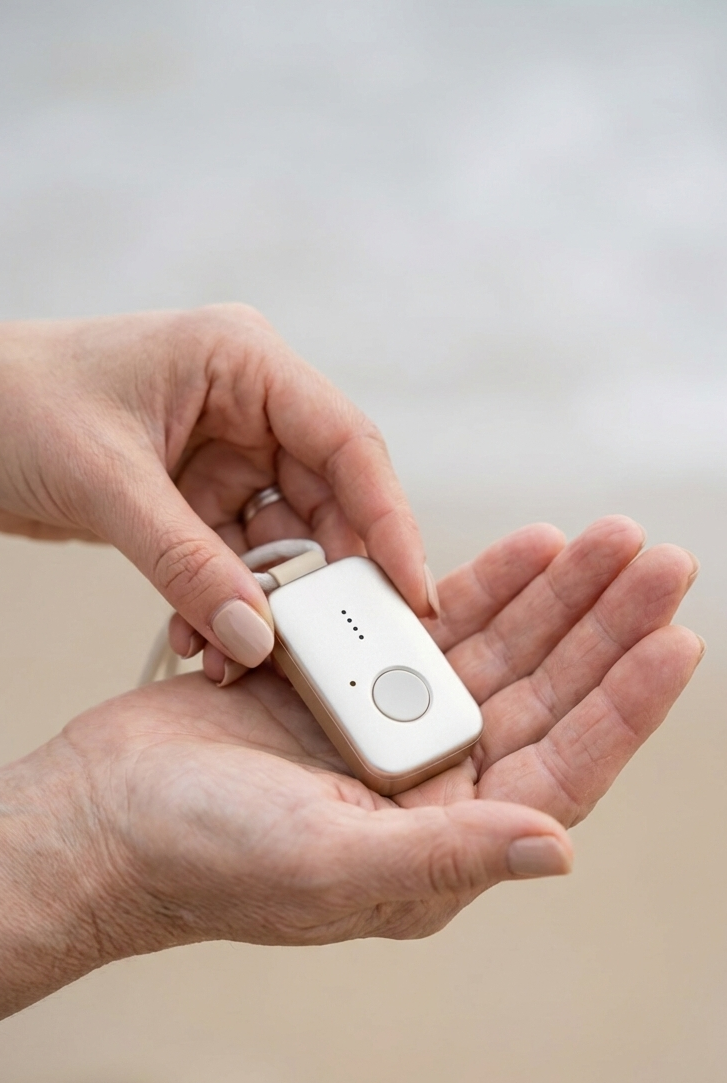
Fall detection is a feature in some medical alert systems that uses sensors in a wearable fall detection device to recognize movement patterns associated with a potential fall. When a possible fall is detected, the device may initiate an alert to the system’s response center, depending on the service and device setup.
Automatic fall detection can provide another way to call for help if someone is unable to press their alert button. It is an additional layer of protection—not a substitute for using the button when it is possible.

A simple sequence
Every system works a little differently. In general, a medical alert system with fall detection follows these steps:
Sensors identify movement patterns that may be consistent with a fall. Detection is not certain in every situation.
If the device registers a possible fall, it may begin an alert. Depending on the device, the wearer may be able to cancel a false alert.
The system may connect to its response center, which follows the service’s procedures to check in and determine next steps.

An additional layer
A person may not always be able to reach or press a wearable button after a fall. Automatic detection is designed to provide another way an alert may be started in that situation.
For people who live independently or spend time alone, this additional option may offer reassurance to them and their families. A fall detection feature has limitations and cannot ensure that every fall is detected or that assistance will arrive.
Two ways to start an alert
Both methods can play a role in a personal safety plan. When the wearer is able, manually pressing the button remains important.
| Manual button | Automatic fall detection |
|---|---|
| The wearer presses the help button when they want assistance. | Sensors may initiate an alert when movement suggests a possible fall. |
| Requires the wearer to be able to reach and activate the device. | May be useful when the wearer cannot press the button, but detection is not guaranteed. |
| Use whenever help is needed and the wearer is able. | Works as an additional layer; it does not replace manual activation. |
Clear expectations matter
Device performance varies, and some falls or movements may not be recognized as a fall.
Everyday activity or sudden movement may sometimes be interpreted as a possible fall.
Manual activation remains an important option. Review device instructions and service details so you know what to expect.
Designed around real life
A fall detection feature may be worth considering for independent older adults, people who spend time alone, anyone concerned about falls, or families looking for an additional way to request help.
People’s routines and preferences differ. Choosing a medical alert fall detection option should be based on individual needs, device fit, coverage, and an understanding of its limits—not on age alone.


Comfort in the everyday
A fall detection device can be part of a routine without defining it. The goal is to support confidence and independence with a wearable option that fits naturally into the wearer’s day.
Consider comfort, how and where the device connects, battery and charging needs, and what the monitoring service does when an alert is received.
Family First Alert
Explore how a medical alert system with fall detection may fit into your routine. Understand the features, limitations, and support options so you can make an informed choice.
Shop NowNeed help?
No. Fall detection technology cannot detect every fall. Certain types of falls, movements, or circumstances may not be recognized by the technology. Because of this, fall detection should be considered an additional layer of protection—not a replacement for manually pressing the emergency button when you are able.
Yes. If you are able to press your emergency button, you should do so whenever you need help. Manually activating an alert is the most direct way to communicate that you need assistance. Fall detection provides an additional layer of protection when you may not be able to press the button.
Yes. Certain movements or activities may sometimes be interpreted as a potential fall. If an alert is triggered accidentally, the wearer can communicate with the monitoring professional and let them know that assistance is not needed.